
The short answer
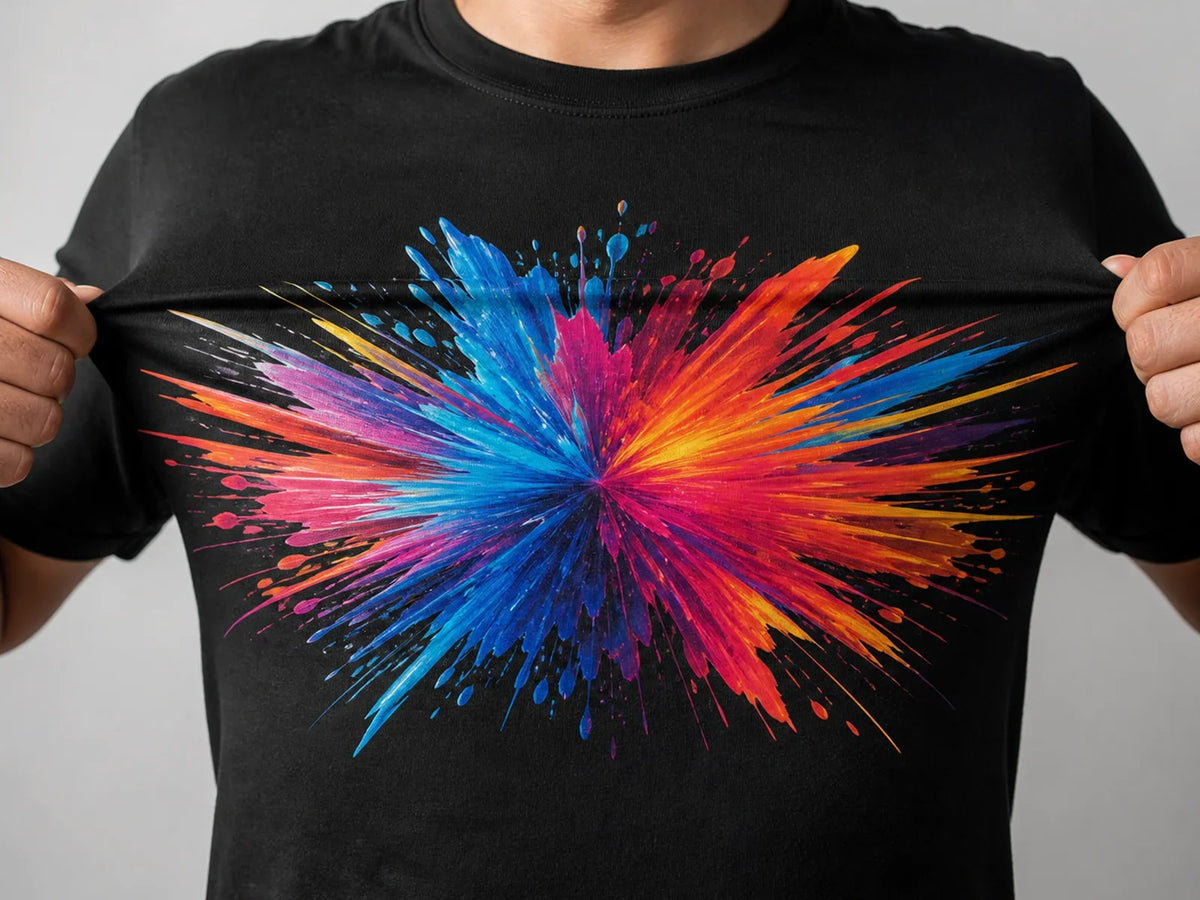
High-quality DTF transfers are designed for 70+ washes when they are applied and cared for as directed.
The transfer, press conditions, garment, and laundry routine all contribute to the finished print. Good production starts the process; correct application and care help protect the result.
What DTF wash durability depends on
A properly produced and applied DTF transfer should remain vibrant, flexible, and securely bonded through repeated wear and washing. That result depends on the whole production chain rather than one step by itself.
Transfer production
Ink coverage, film, adhesive powder, and curing all influence how well the transfer bonds and moves with the garment.
Press conditions
Time, temperature, pressure, peel method, and any finishing press should follow the instructions supplied for the exact transfer.
Garment and care
The fabric, surface condition, washing method, detergent, and drying heat affect the finished print over time.
What a durable DTF transfer should do
Durability is more than keeping color after the first wash. A dependable transfer should continue performing as the garment is worn, stretched, washed, and dried.
- Keep its color without quickly fading or looking muddy
- Stay bonded at the edges without lifting or peeling
- Move with the garment during normal wear
- Resist cracking under ordinary stretching and washing
- Maintain a clean, consistent appearance over time
- Press predictably when the supplied instructions are followed
Not every DTF transfer performs at the same level. Poor materials, inconsistent powder coverage, incorrect curing, or unreliable pressing can all shorten the life of the print. See the high-quality DTF checklist for the production signs to evaluate before ordering.
How to protect DTF transfers in the wash
Simple care habits reduce unnecessary heat, abrasion, and chemical stress on both the print and the garment.
- Turn the garment inside out. This reduces direct rubbing against the printed surface.
- Use cool water and mild detergent. Avoid bleach and fabric softener unless the garment manufacturer specifically allows them.
- Choose a gentle wash cycle. Heavy agitation can create more wear than the garment needs.
- Use low tumble heat or hang dry. Repeated high dryer heat can shorten the life of decorated apparel.
- Do not iron directly over the design. If ironing is necessary, turn the garment inside out and protect the printed area.
If you sell finished apparel, include these care instructions with the order. Clear guidance helps customers protect the garment and gives your team a consistent standard to reference.
If a transfer cracks, lifts, or peels
A problem after washing does not automatically identify one cause. Look at when the failure appeared and what the garment experienced before deciding what happened.
| What you see | Possible contributors | Safe next check |
|---|---|---|
| Edges lifting early | Uneven pressure, moisture, platen obstruction, or incomplete bonding | Verify the press and garment setup against the supplied instructions |
| Cracking during stretch | Production quality, over-pressing, garment stretch, or repeated high heat | Compare an unused transfer and a correctly pressed test garment |
| Premature fading | Harsh chemistry, high wash or dry heat, or inconsistent print production | Review the care routine and document the affected order |
| Patchy adhesion | Uneven heat or pressure, seams, collars, buttons, or moisture | Check platen contact and press accuracy before repeating production |
For application troubleshooting, use the DTF pressing troubleshooting guide. If the supplied instructions were followed and multiple transfers show the same issue, stop reheating finished garments and contact Xpress with order details and clear photos.
Why wash durability matters to your business
Durable decoration supports customer satisfaction, reviews, repeat purchases, and confidence in your brand. A transfer may look strong when it leaves the press, but the real test is how the garment performs after it is worn and washed.
Choosing dependable transfers, documenting a repeatable press process, and sharing care instructions gives every order a better chance to perform consistently.
Choose a DTF format for your workflow
Compare the available ordering paths, then follow the instructions supplied with your transfers before starting production.


